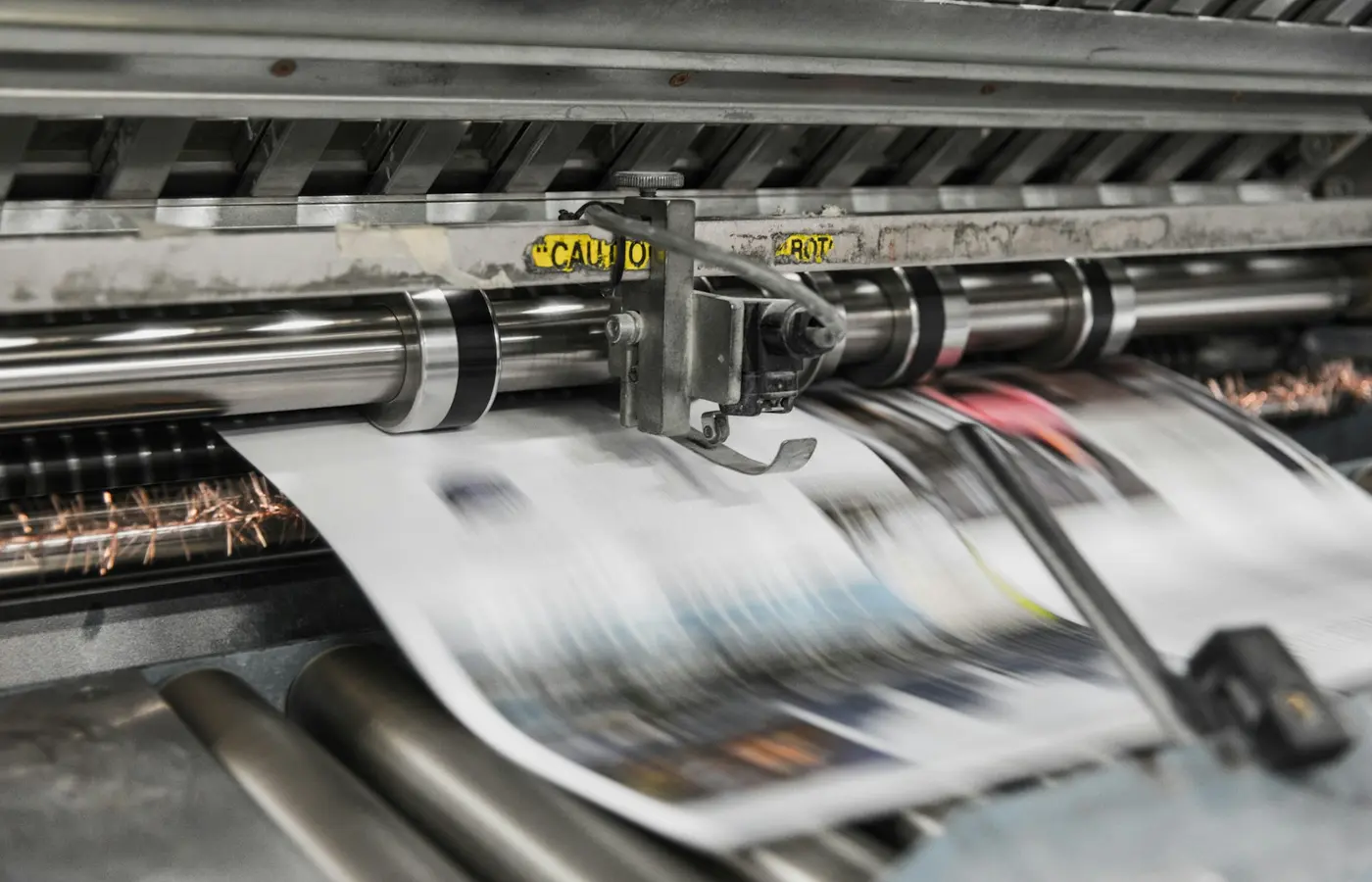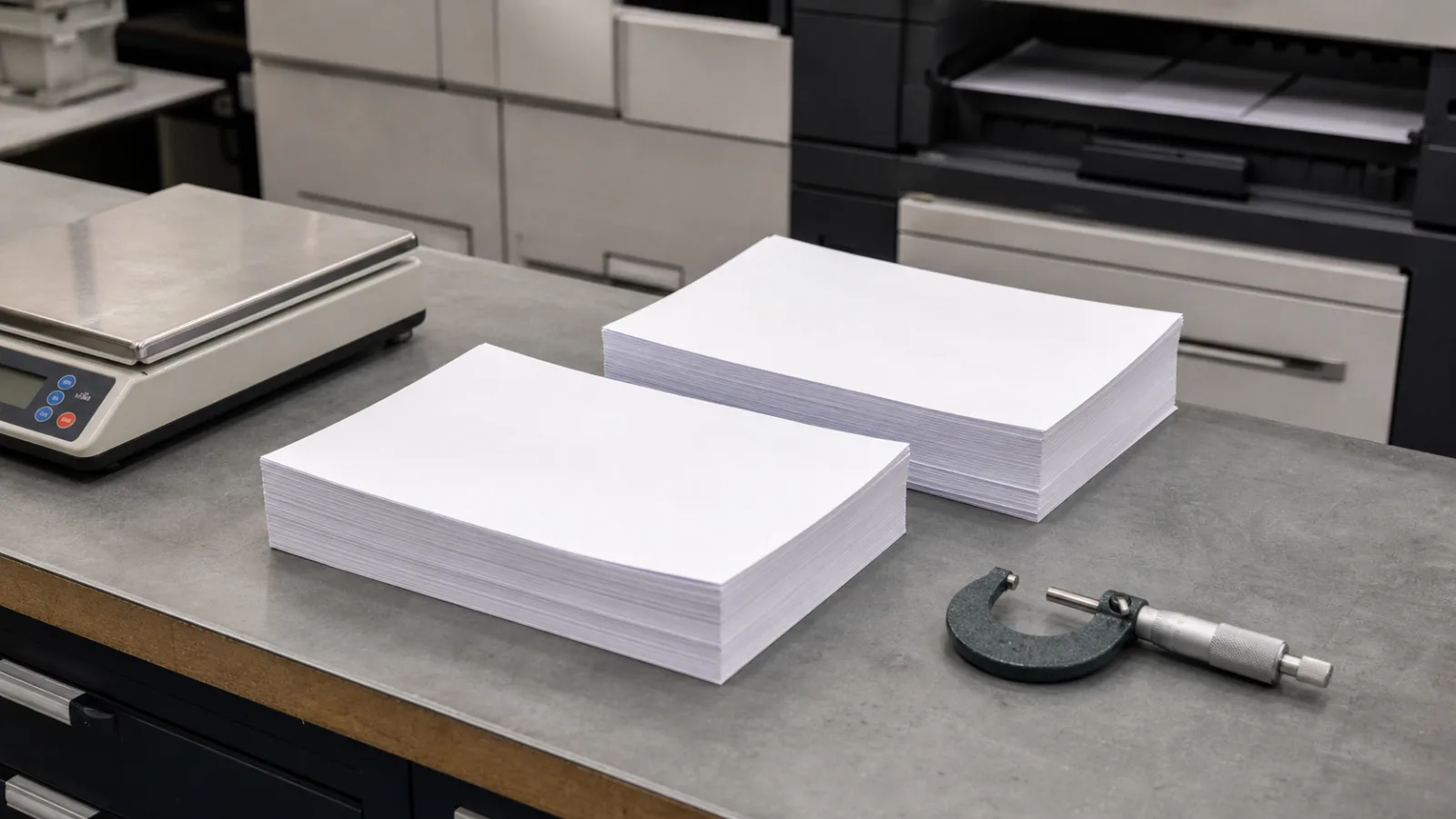

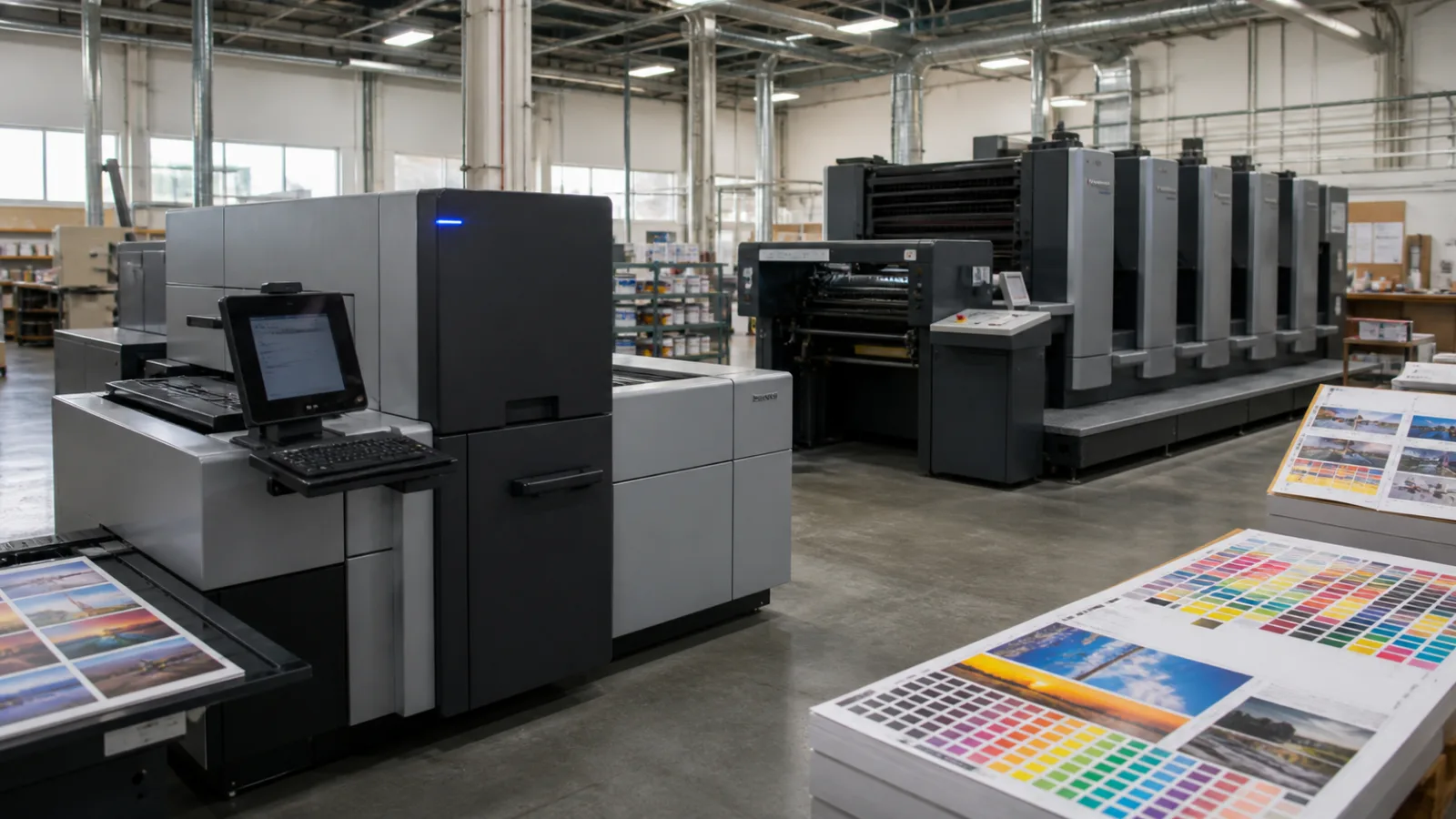
Offset lithography transfers an inked image from a plate to a blanket and then to the sheet. Digital printing images directly from data, normally with toner or inkjet. Both can produce excellent commercial work, but their cost and control profiles differ.
Setup and run length
Offset requires plates, ink-water balance and make-ready sheets before stable production. Once running, it can deliver high speed and a low unit cost across longer runs. Digital equipment has less physical setup, making short runs, repeat batches and rapid changes practical.
Digital also enables personalised text, codes and imagery because every sheet can be different. Offset is strongest when a long run uses a stable image and the job benefits from its format, substrate range or special ink capabilities.
Choose from the job backwards
Do not choose only from a run-length rule. Consider finished size, imposition, colour tolerance, paper, coverage, drying time, finishing and delivery schedule. Ask both suppliers for a representative proof and a total finished cost. A hybrid campaign may use offset for the main quantity and digital for regional, personalised or replenishment versions while maintaining a shared colour target.
The comparison that matters to buyers
| Requirement | Digital printing | Offset lithography |
|---|---|---|
| Initial setup | No printing plates; short changeovers | Plates, ink and water balance, and make-ready |
| Short runs | Usually efficient | Setup cost and waste are spread over few units |
| Long stable runs | Unit cost may remain relatively flat | Setup is amortised and unit cost can become attractive |
| Every sheet different | Native variable-data capability | Fixed image on each plate; versions need plate or unit changes |
| Colour | Consistent when calibrated, but gamut is device dependent | Strong process control and access to dedicated spot inks |
| Sheet and web choice | Limited by the exact engine’s transport and imaging chemistry | Broad options, but the specific press still has limits |
| Turnaround | Fast route from approved file to print | Plate output, make-ready and drying add steps |
This table is directional. A high-speed inkjet web press and a small toner device are both “digital” but serve different volumes. A compact two-colour offset press and a highly automated multi-unit sheetfed press have different economics. Ask a supplier to quote the actual equipment and imposition.
Setup and unit economics
Offset requires one plate for each separation, plus time and sheets to reach stable register and colour. That setup is expensive for a small order but becomes a shrinking share of each unit as quantity rises. Once stable, a suitable offset press can run long, repeated work efficiently.
Digital presses image from data with little physical changeover. The first sellable copy arrives sooner and spoilage between versions can be low. Charges are commonly related to impressions, coverage, ink or a service contract, so the cost curve behaves differently.
There is no universal crossover quantity. Finished size affects how many products fit on a sheet; coverage affects ink; paper format affects waste; finishing may dominate both quotes. Compare total delivered cost at the quantities you may genuinely order, including overs, storage and obsolete inventory.
Colour and brand control
Both processes can produce controlled colour. Offset uses established press standards, process inks and optional spot-colour units. A dedicated spot ink may reproduce a brand colour that falls outside a four-colour process gamut, and special metallic or fluorescent inks are available on suitably configured presses.
Digital colour depends on the device, ink or toner set, substrate and profile. Some presses add orange, green, violet, white or specialty stations. The absence of plates does not remove calibration. Contract proofs and measurable tolerances are still needed.
When a campaign uses both methods, request a common visual target and side-by-side drawdowns on the real papers. Exact numerical equality may not create the closest visual match when surfaces differ. The packaging colour-management guide explains how to define viewing and measurement conditions.
Substrates and finishing
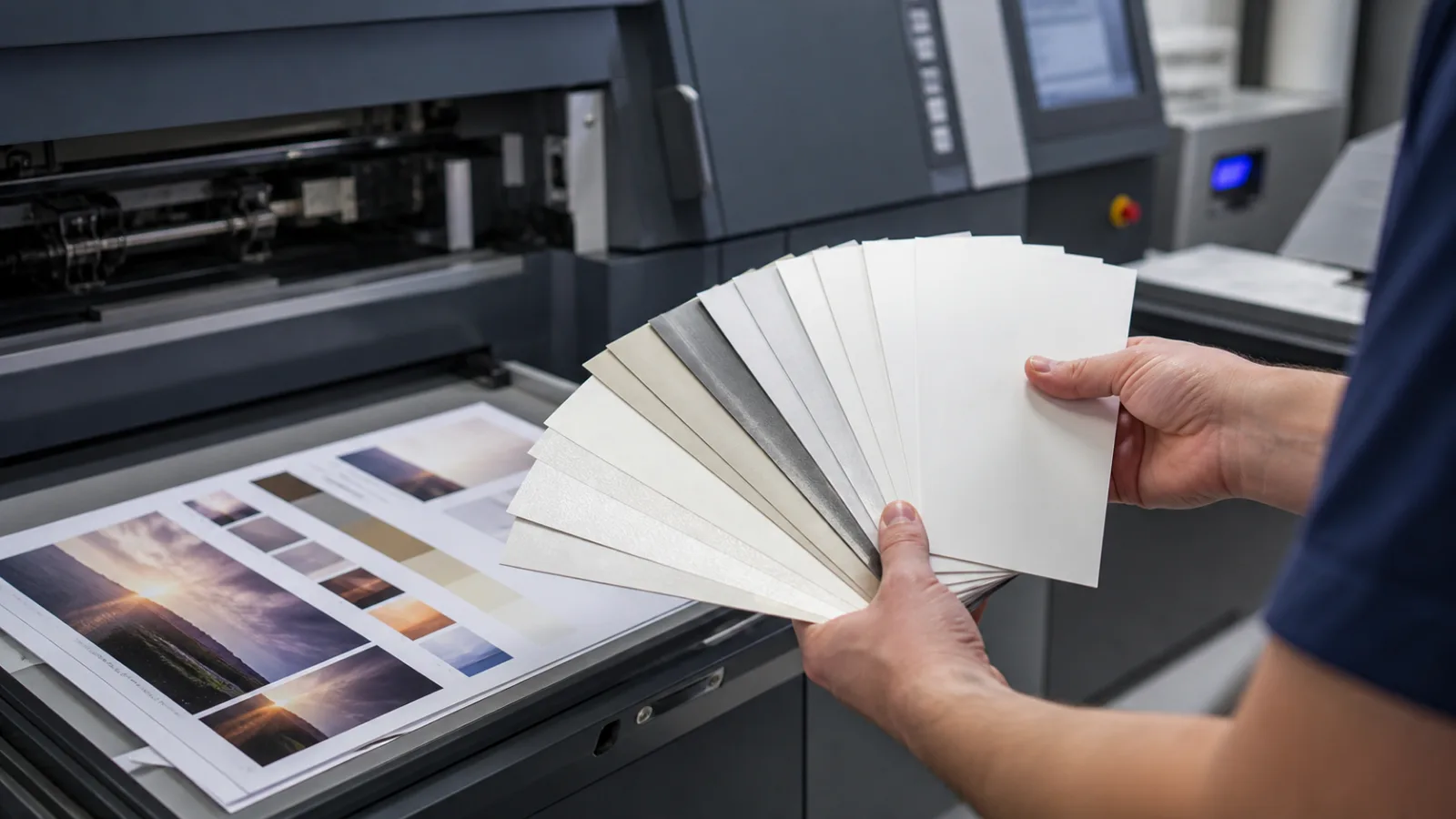
Offset presses handle a broad range of coated and uncoated papers and boards within their mechanical limits. Ink drying, surface strength and spray powder must still suit the job. Digital presses require media compatible with transport, electrical properties or ink receptivity, fusing heat and drying.
Special textures, synthetics, envelopes, very light papers and heavy boards should be confirmed on the proposed machine. “Printable” does not mean the piece will laminate, fold or glue successfully. Use the digital-paper approval checklist and test the complete route.
Offset ink may need time before aggressive finishing. Toner output is dry to touch quickly but can crack at folds or resist some laminates. Inkjet sheets may be ready rapidly or may need additional drying depending on ink load and paper.
Versioning and supply-chain risk
Digital’s most distinctive advantage is that every image can change. It supports names, languages, regional offers, serial codes and frequently updated technical documents without separate plates. It also enables smaller replenishment batches, reducing the risk of storing material that becomes outdated.
Offset remains efficient for a stable, long run. A hybrid plan often makes sense: print the predictable base volume offset, then use digital for small language versions, late changes or replenishment. Design and colour targets should anticipate that split from the beginning.
Questions to put into an RFQ
- Which press and print mode will produce the job?
- How many finished pieces fit on the production sheet or web repeat?
- What setup, spoilage, overs and delivery quantity tolerances are included?
- Is colour approved to a contract proof, a physical proof or measured values?
- Are spot colours converted to process or printed as dedicated inks?
- Has the exact paper been qualified and tested through finishing?
- What changes in unit price at realistic quantity breaks?
- Can reprints match the first run, and which records will be retained?
Choose digital when fast changeover, low quantities, frequent versions or variable data create value. Choose offset when a stable image, longer run, format, substrate or special-ink requirement favours its production model. Choose a hybrid plan when the campaign contains both predictable volume and uncertain, changing demand.