

printing
How to Specify Paper Opacity for Two-Sided Printing
Learn how to specify paper opacity for duplex printing, distinguish it from show-through, and approve finished sheets under relevant conditions.

DIGIPAPERS SECTION
Digital, offset, flexographic and specialist print processes.
Learn how to specify paper opacity for duplex printing, distinguish it from show-through, and approve finished sheets under relevant conditions.

Learn how paper grain direction influences folding, binding, sheetfed planning, and finishing, with practical checks for print specifications.
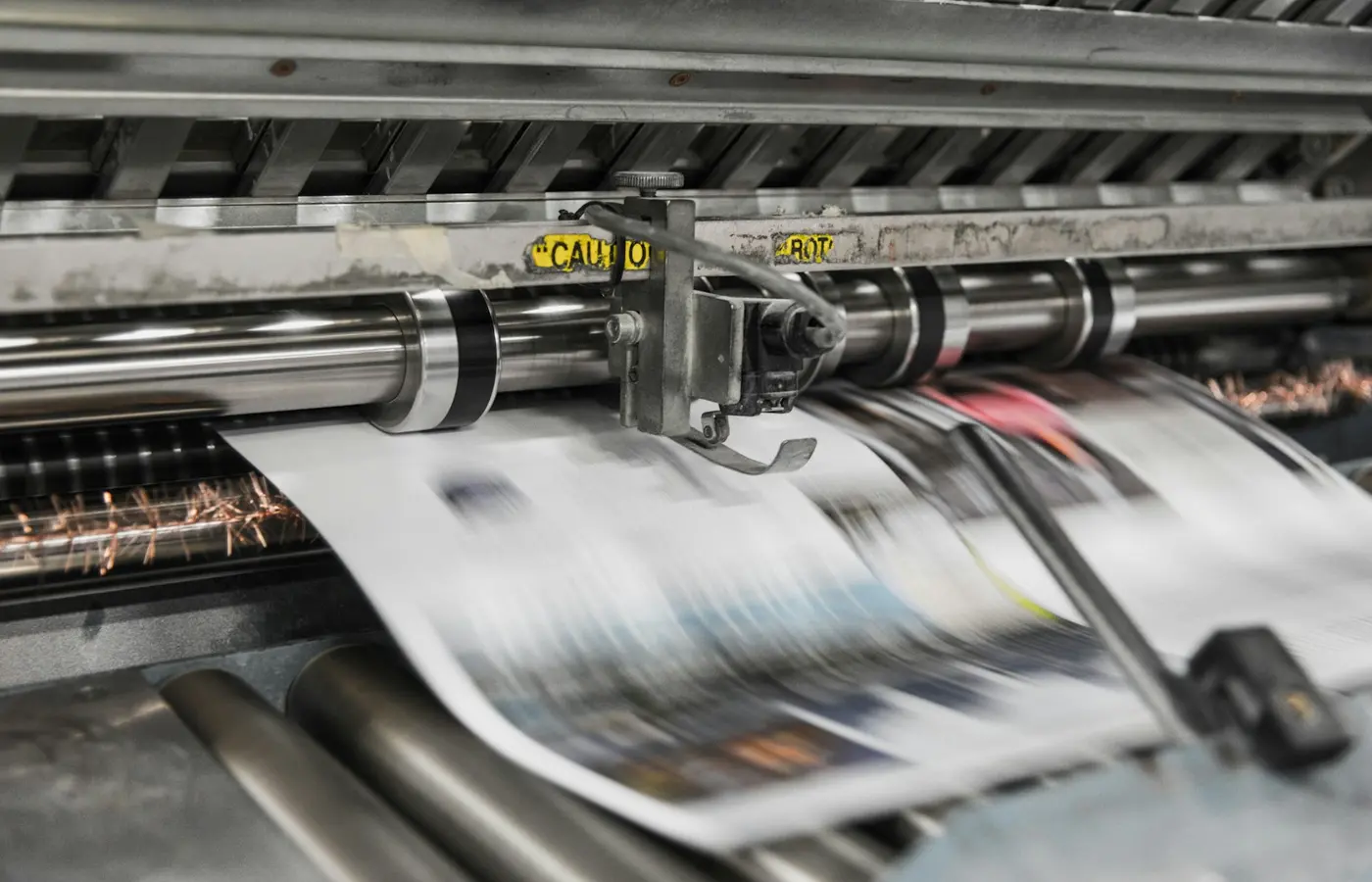
Understand flexographic label printing from plate mounting and anilox metering to web control, die-cutting, inspection, and finished-roll checks.
Specify paper for sheetfed offset as a press-and-product system, covering sheet construction, printability, handling, finishing, and trials.
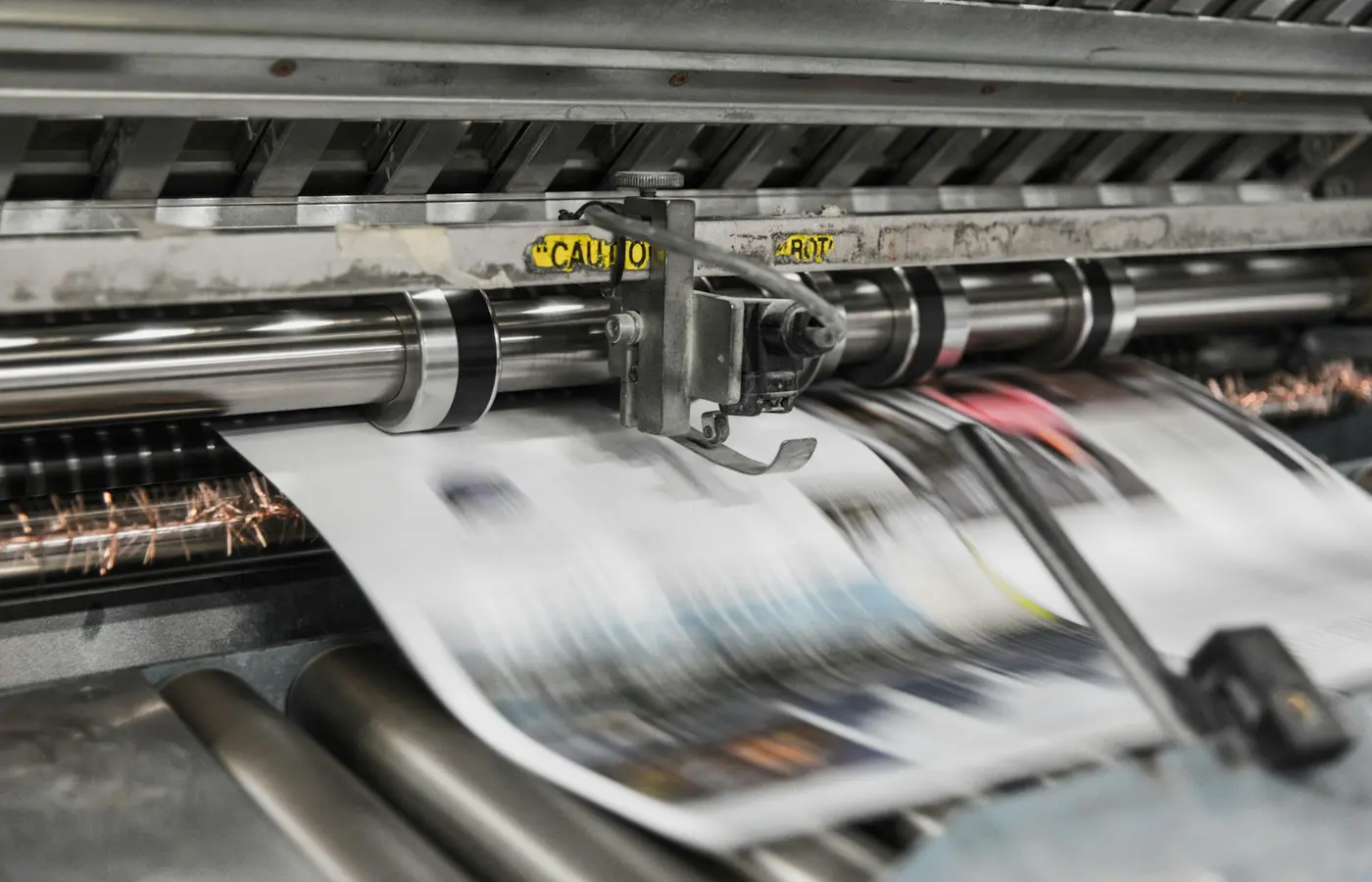
Compare digital and flexographic label printing by SKU volume, artwork changes, variable data, colour, substrate, finishing, and approval controls.
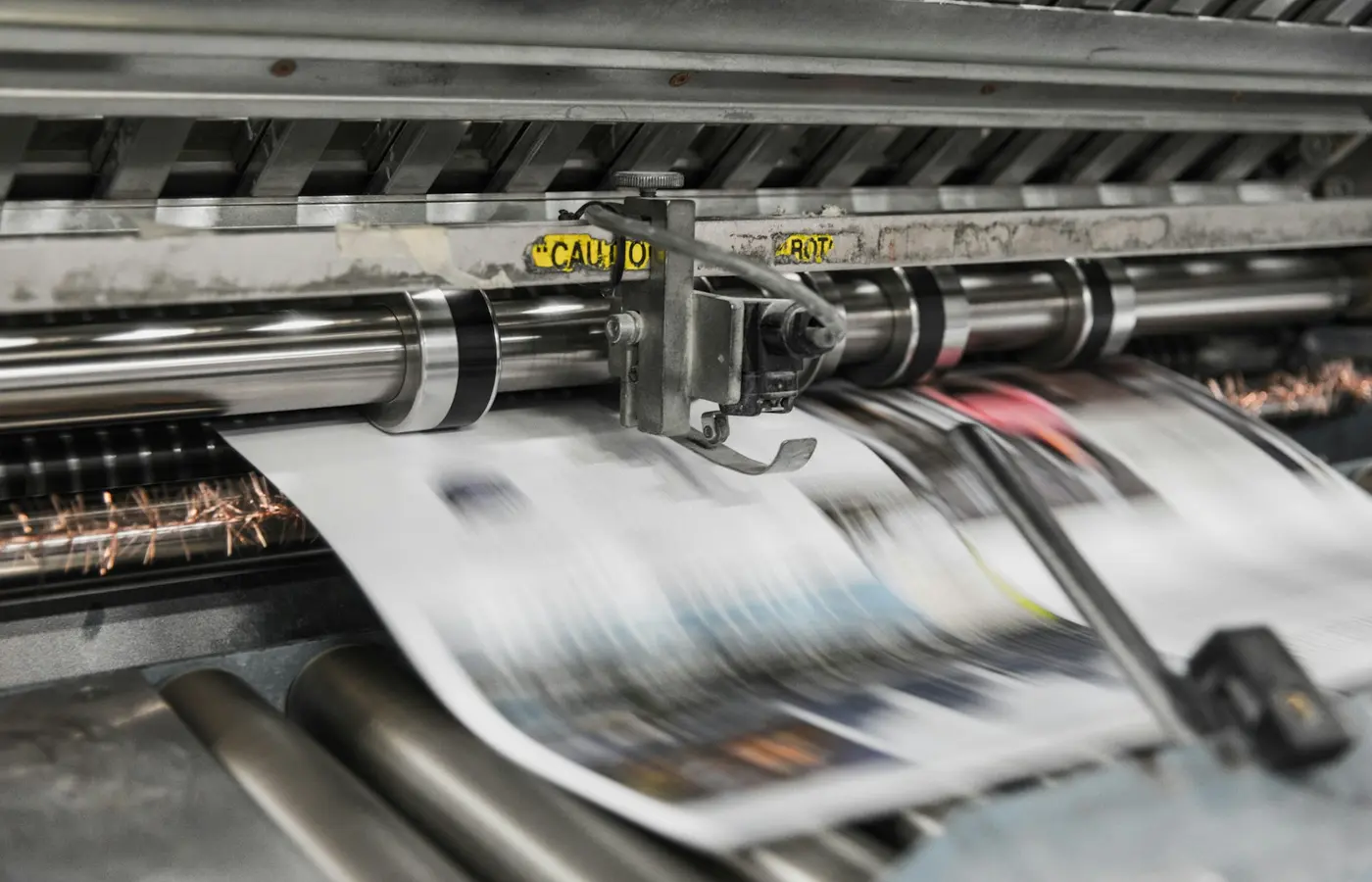
Compare offset and production inkjet by modelling quantity, versions, stock, colour, finishing, schedule, and total delivered job cost.
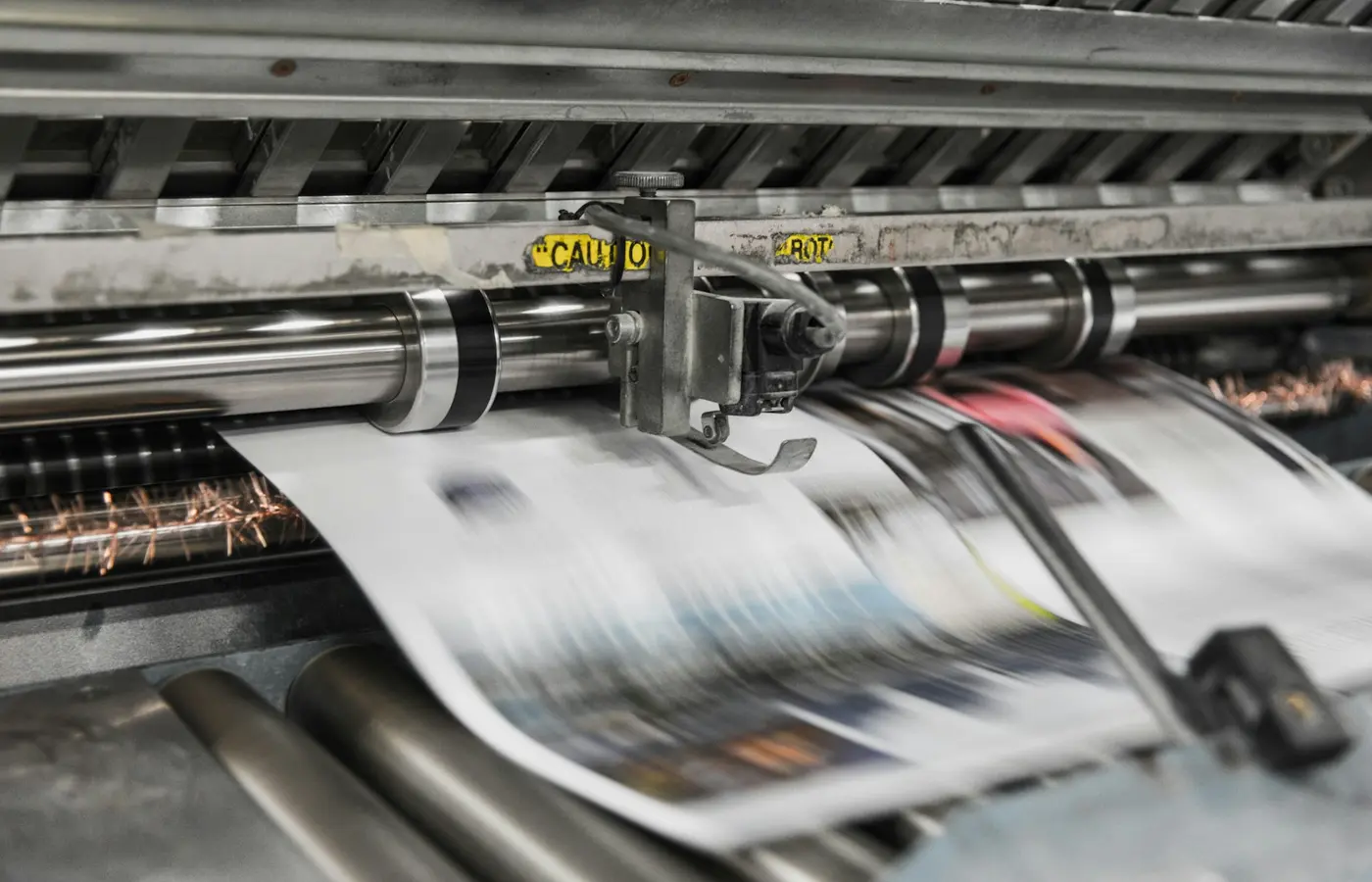
Build a repeatable paper qualification plan for production inkjet, from media documentation and transport to finishing and release control.
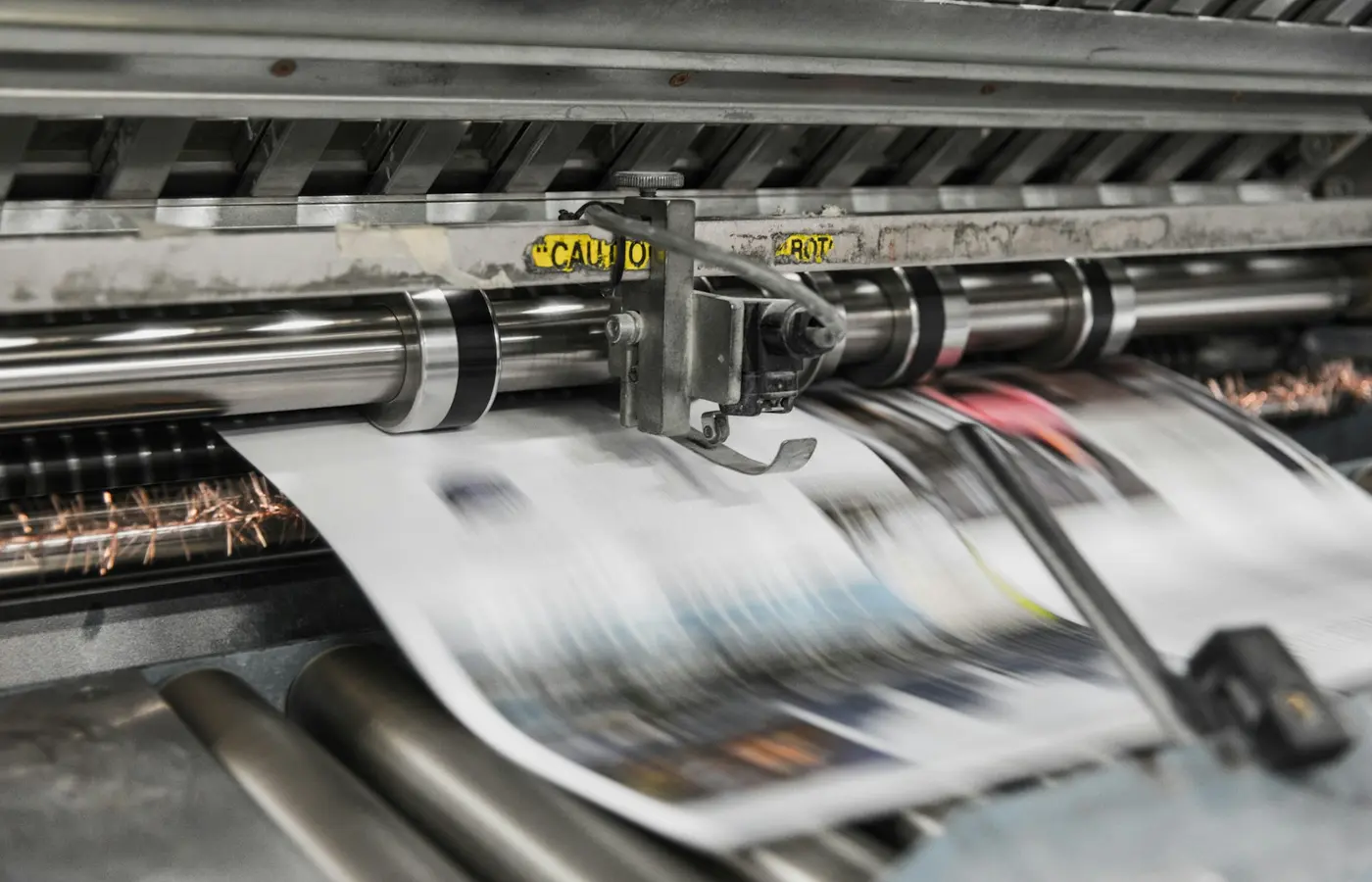
How 70 gsm and 80 gsm paper can affect digital press feeding, duplexing, curl, image handling, folding, and finishing qualification.
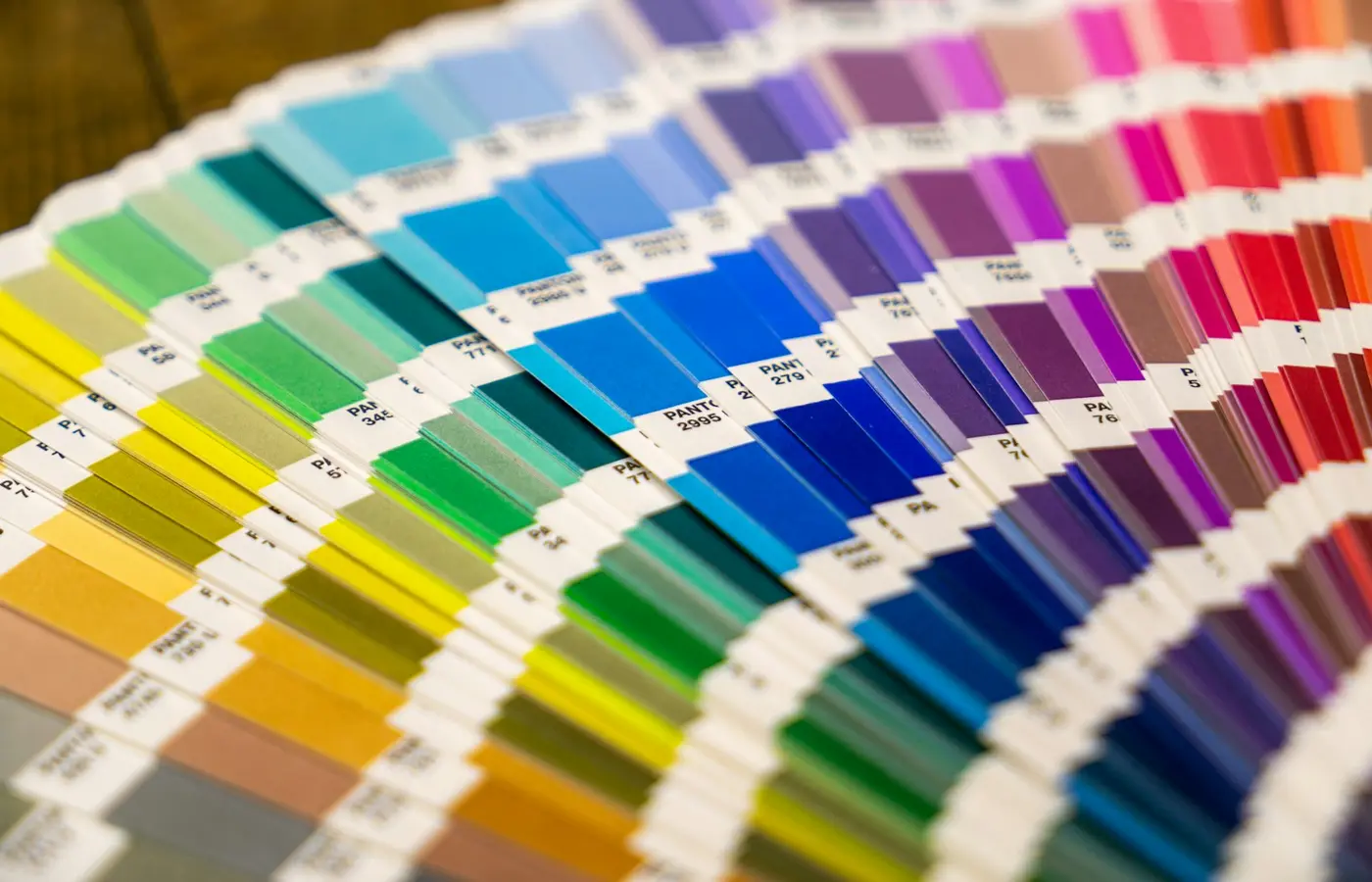
Diagnose coated paper problems by separating surface, ink, moisture, drying, storage, press, and finishing variables before blaming the grade.
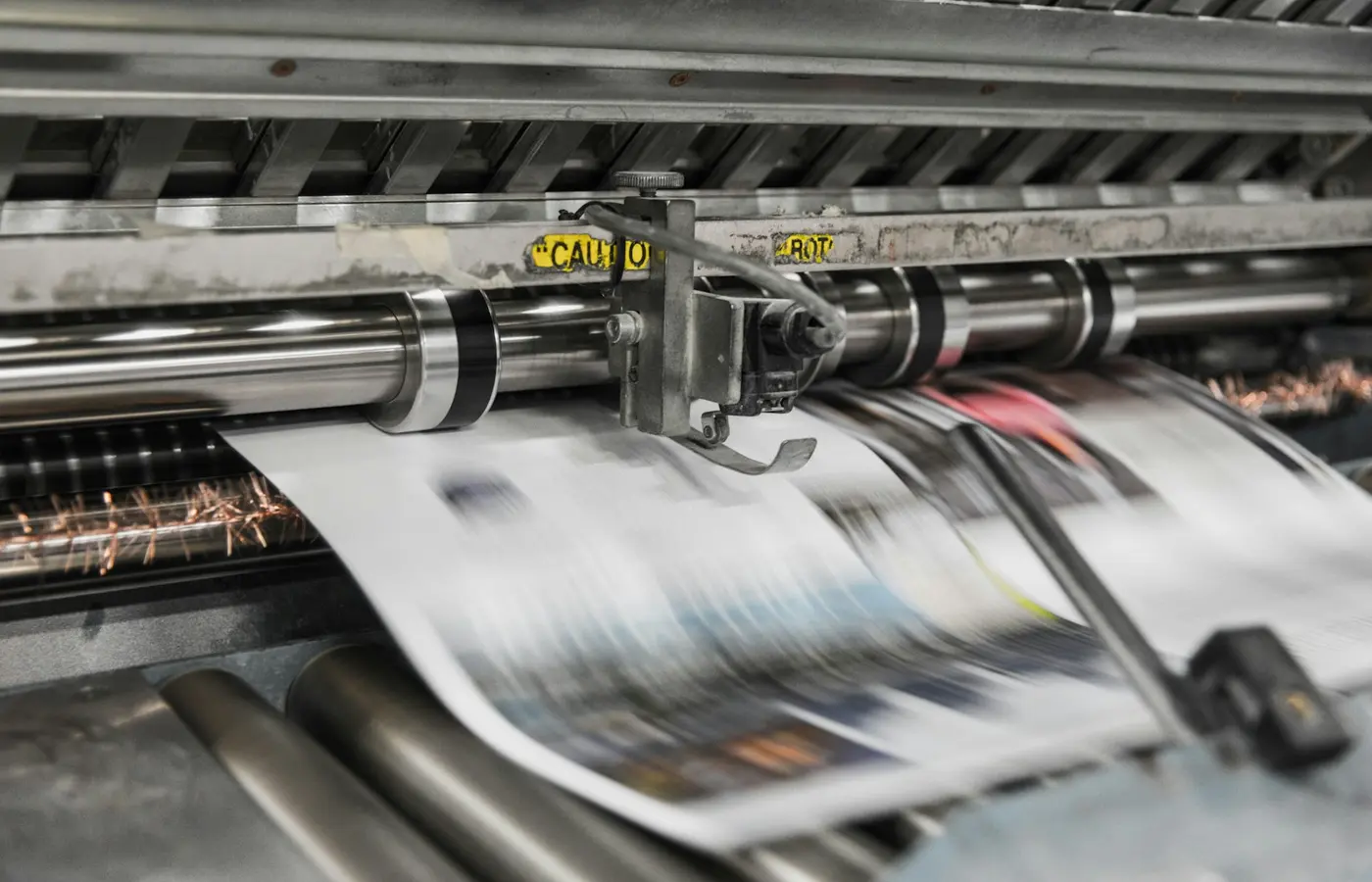
A practical framework for assessing job mix, crossover costs, workflow, substrates, finishing, labour and service before adding digital capacity.

Build a traceable colour approval chain linking print conditions, ICC profiles, contract proofs, press targets, tolerances, and controlled viewing.
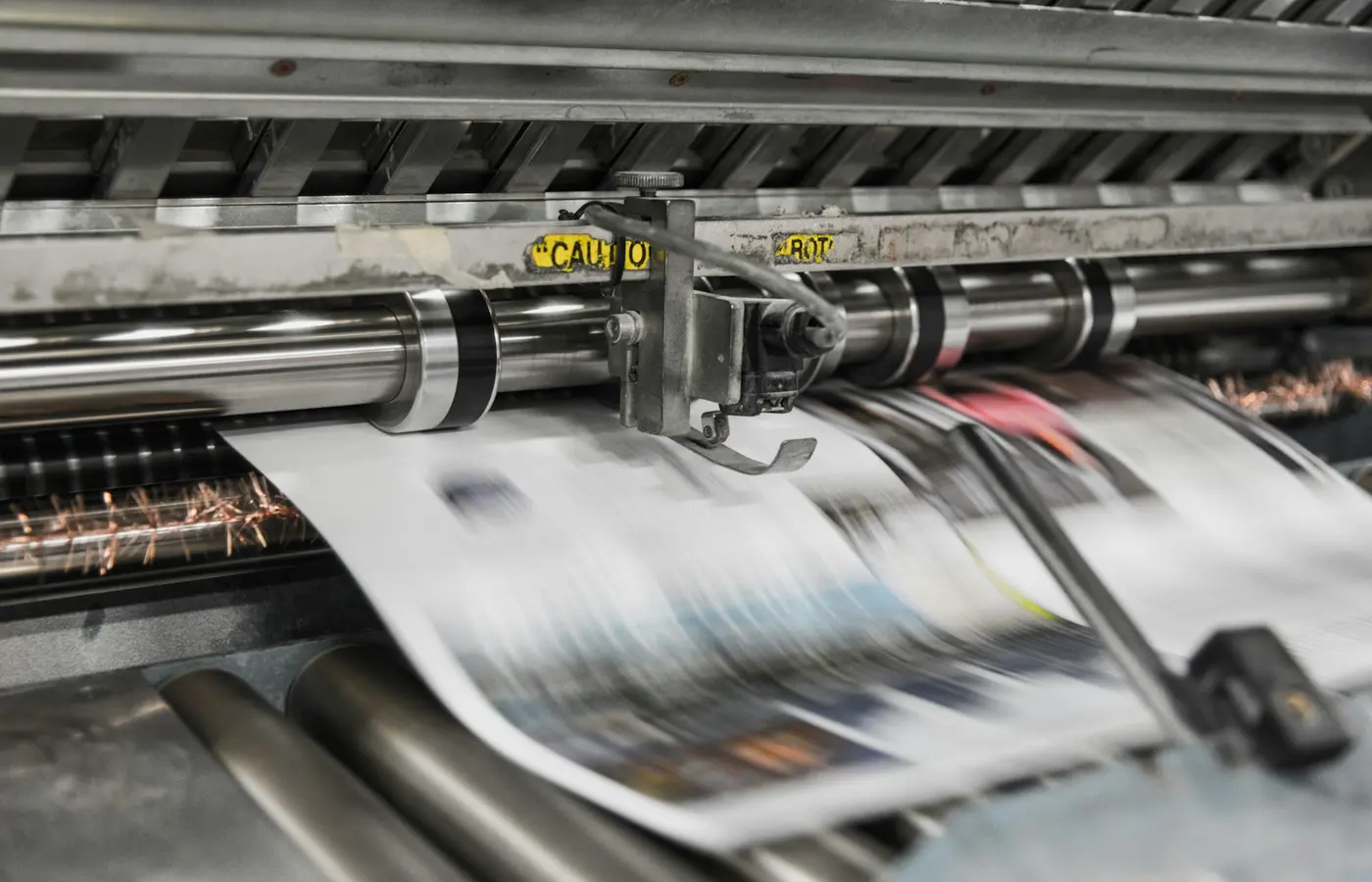
A machine-specific workflow for qualifying paper and board through media checks, controlled press trials, finishing tests and documented approval.
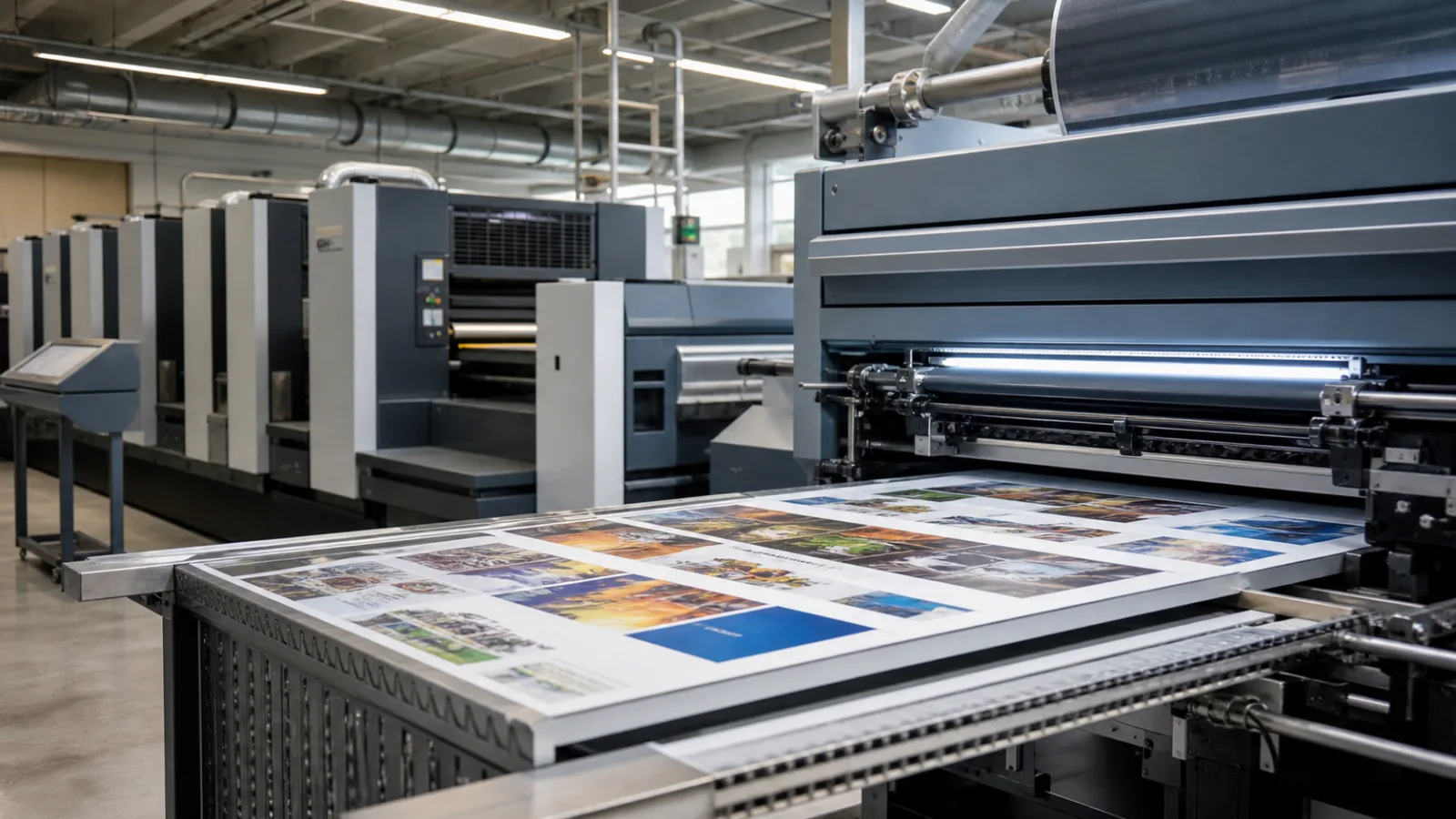
Follow a digital print job from PDF and RIP through toner or inkjet imaging, colour control, substrate transport, drying and finishing.
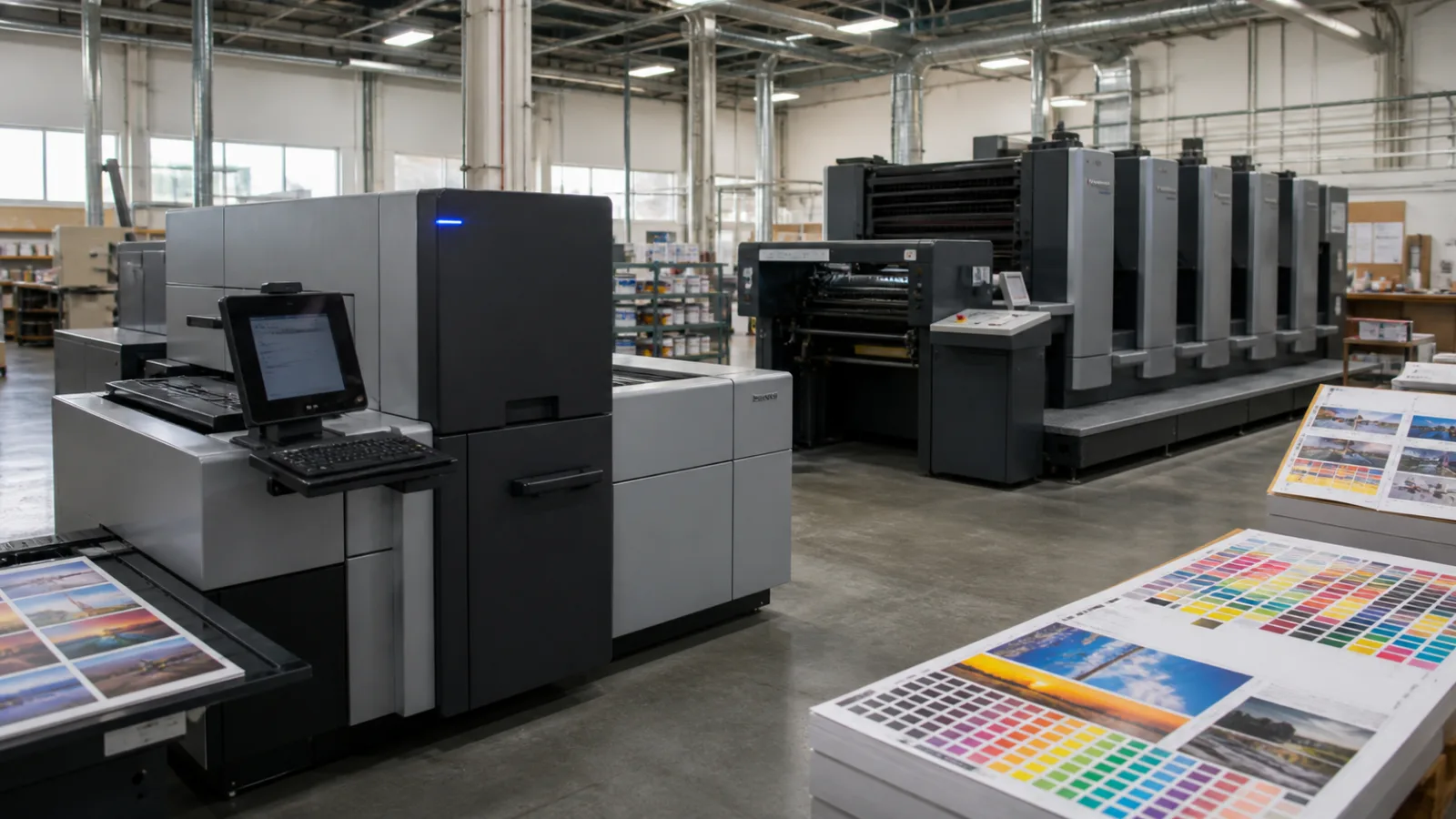
Compare digital and offset printing by setup, run length, unit economics, colour, substrates, variable data, finishing and schedule.
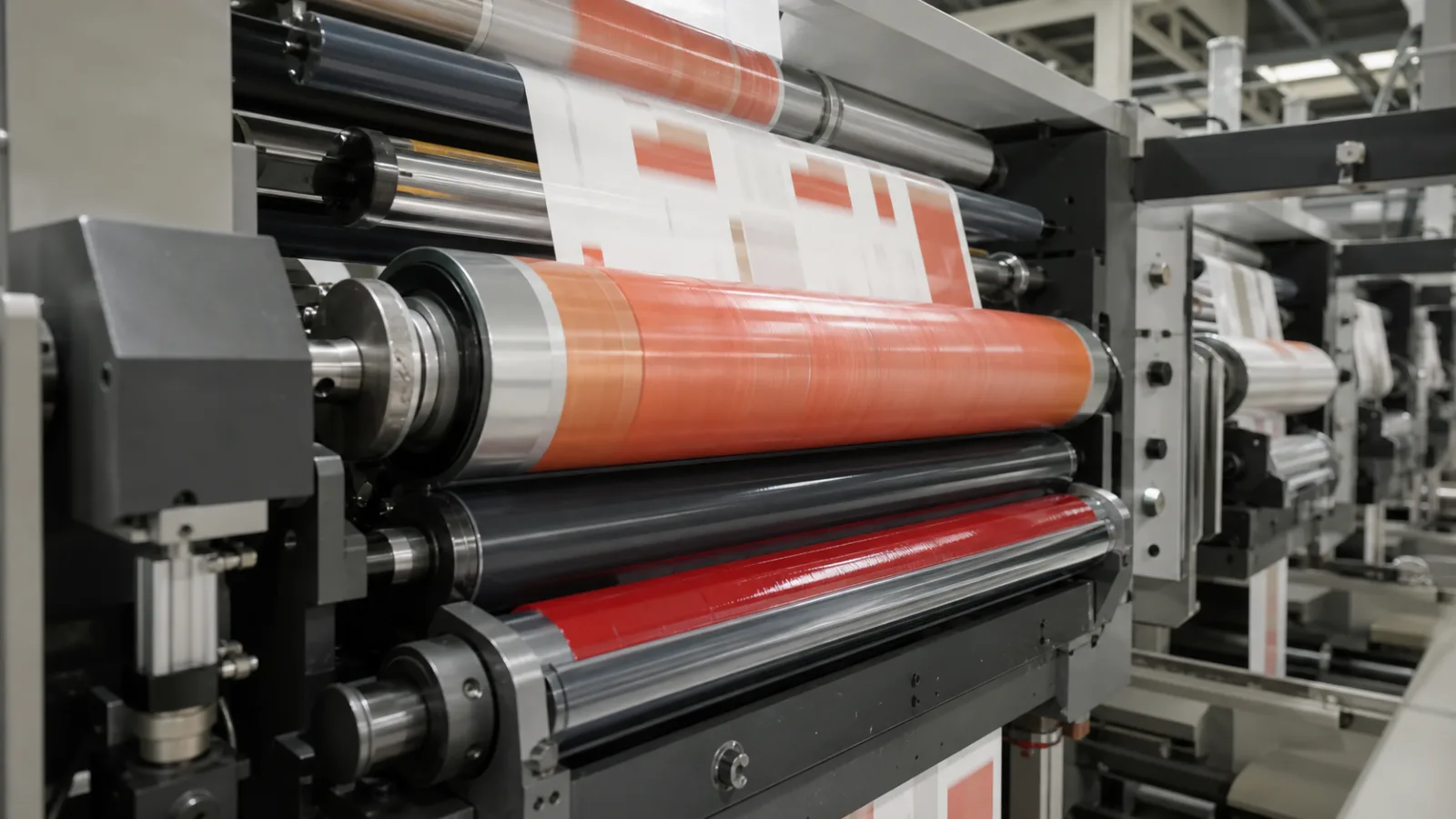
See how flexographic plates, anilox rolls, inks, web tension and drying work together for labels, film, paper and corrugated packaging.