
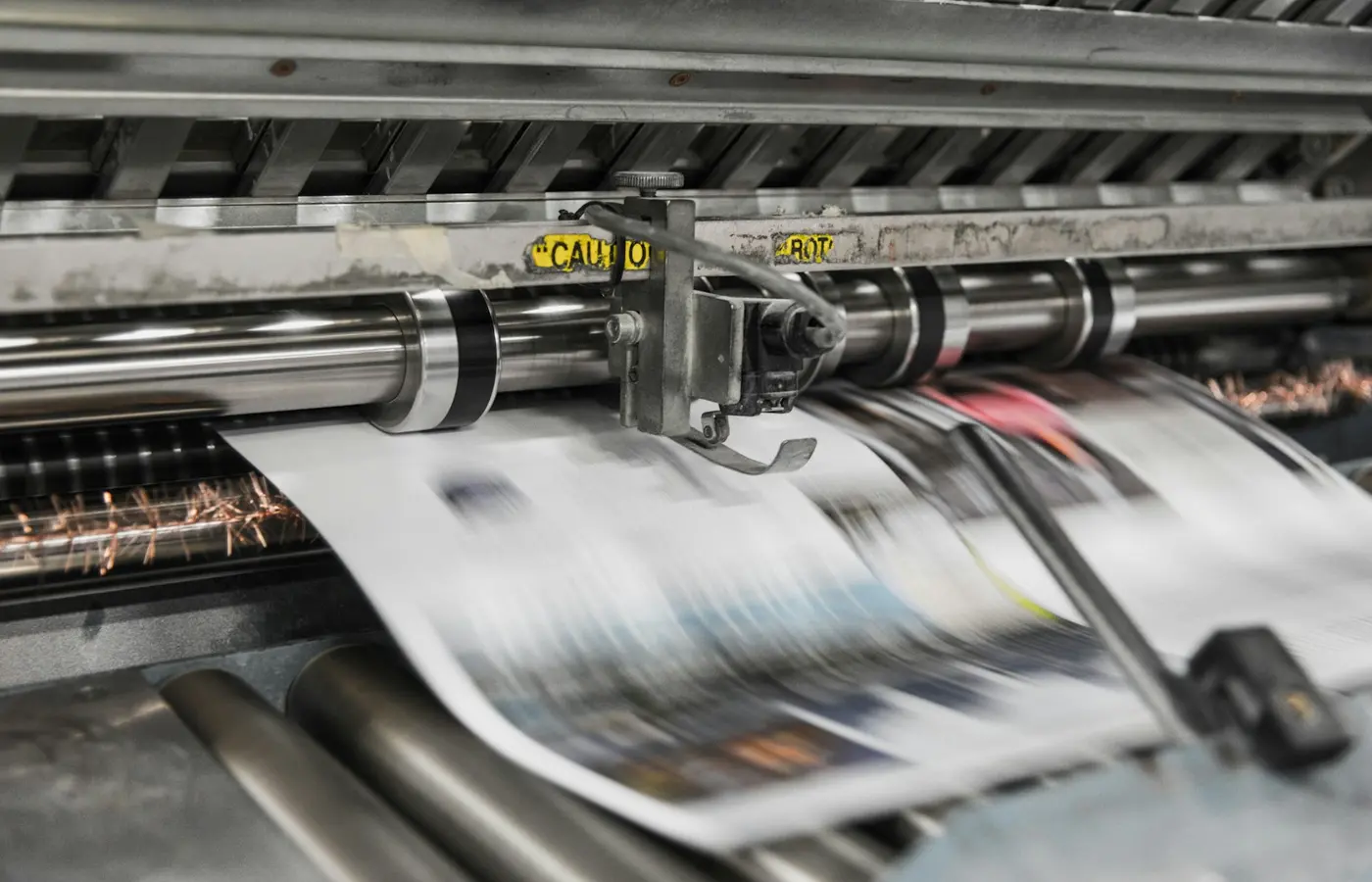
printing
How Flexographic Label Printing Works: Plates, Anilox, and Web Workflow
Understand flexographic label printing from plate mounting and anilox metering to web control, die-cutting, inspection, and finished-roll checks.

TOPIC
Facestocks, liners, adhesives and converting.
Understand flexographic label printing from plate mounting and anilox metering to web control, die-cutting, inspection, and finished-roll checks.
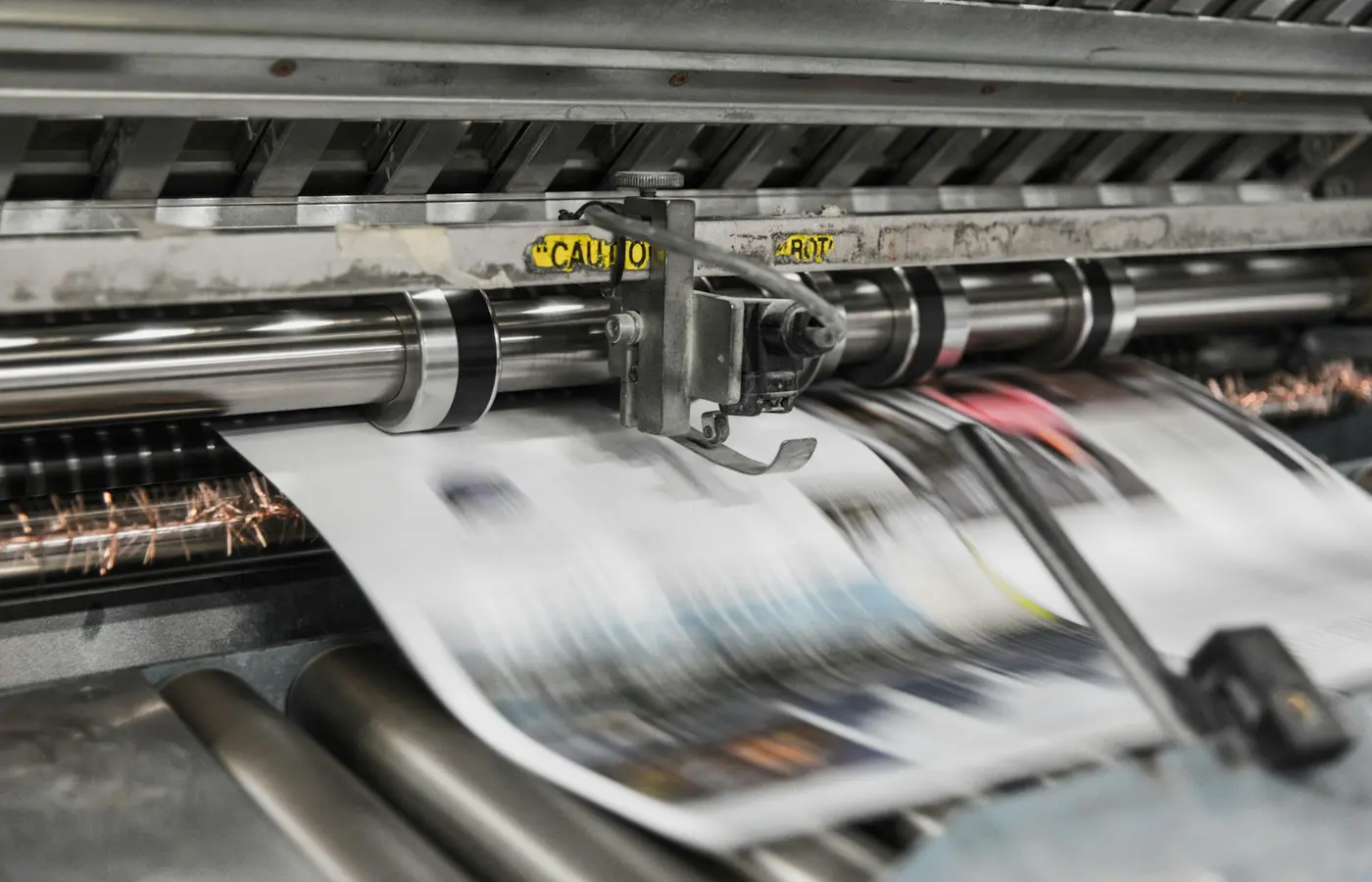
Compare digital and flexographic label printing by SKU volume, artwork changes, variable data, colour, substrate, finishing, and approval controls.
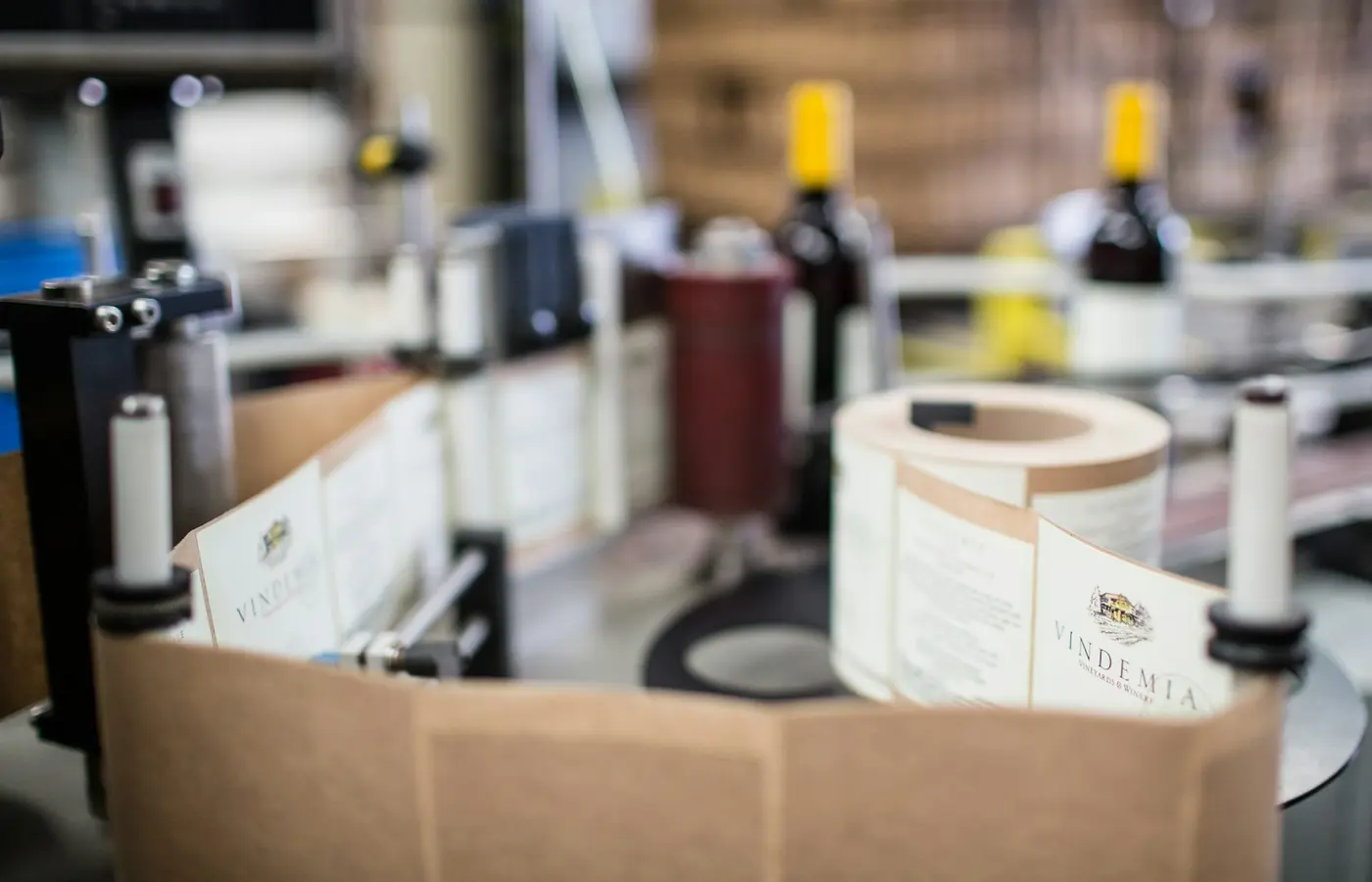
Set barcode verification requirements for printed labels by defining the symbol, method, grade, verifier setup, sampling plan, and response to failures.
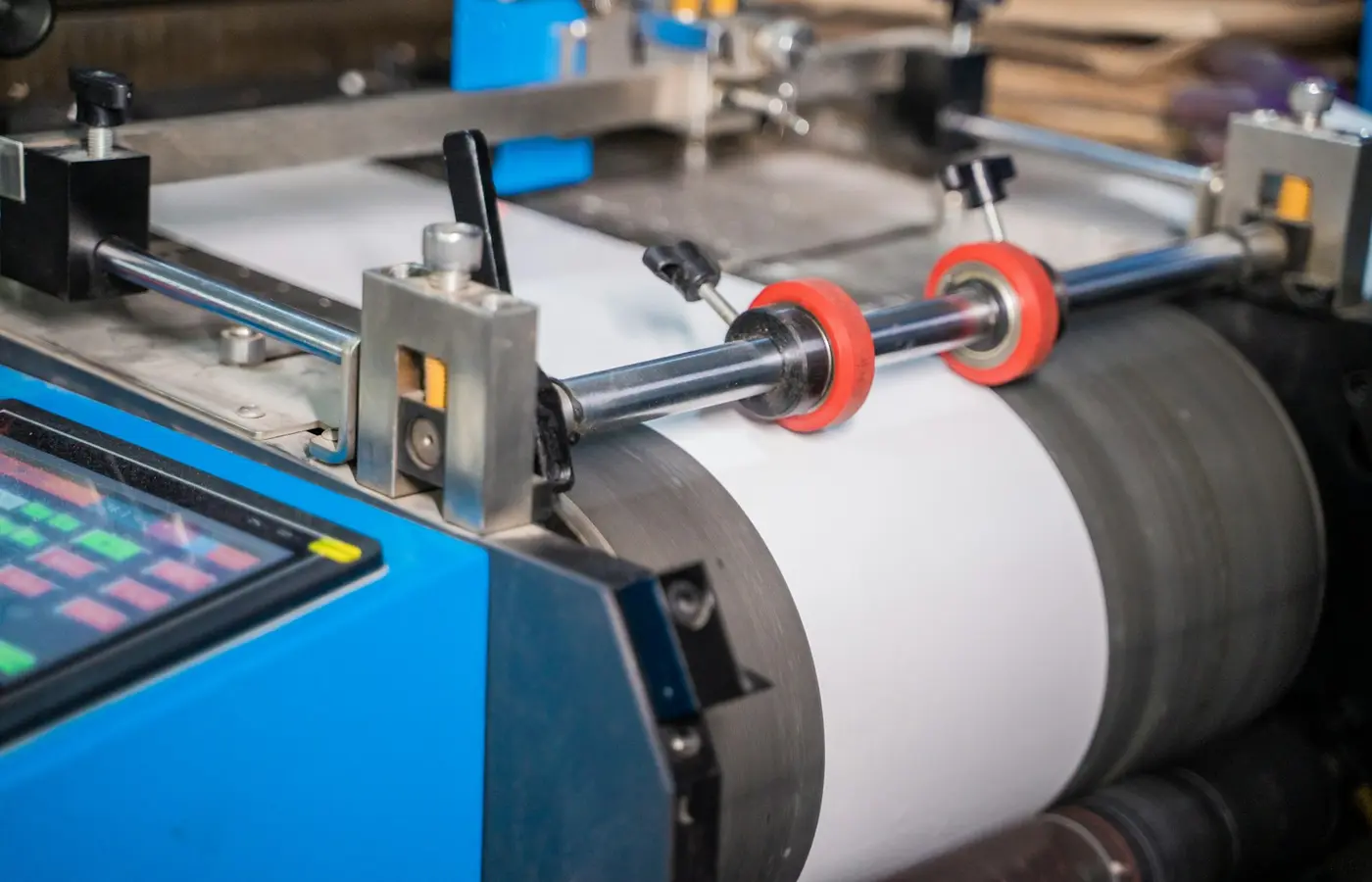
Specify release liners as part of the full pressure-sensitive label construction, with checks for converting, matrix stripping and dispensing.
Learn how to qualify a label adhesive for the actual container, temperature range, moisture, curvature, application process, and removal requirement.
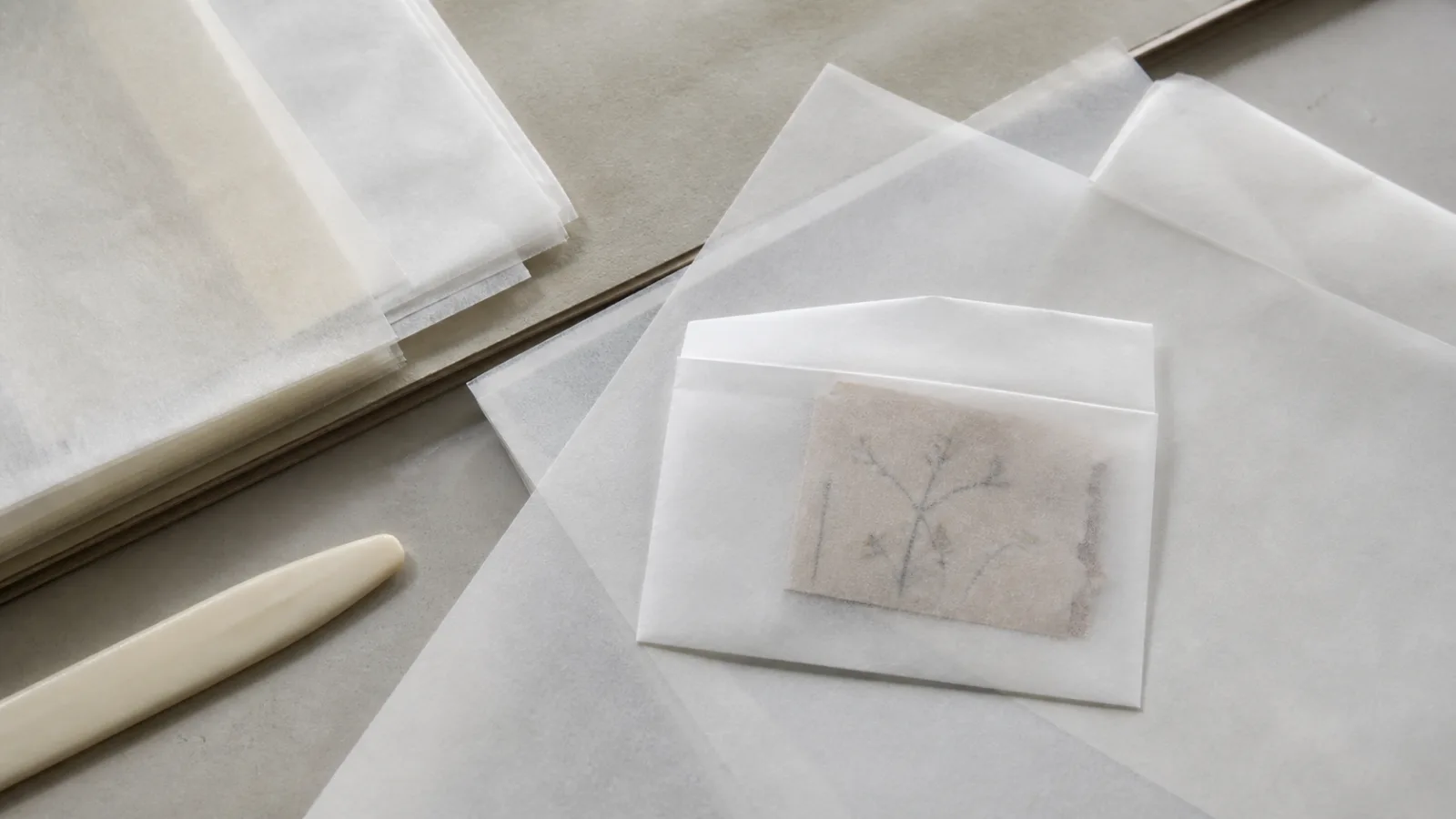
Understand how glassine gains its smooth translucency, where it is used, what it protects against and which conversions change recycling.
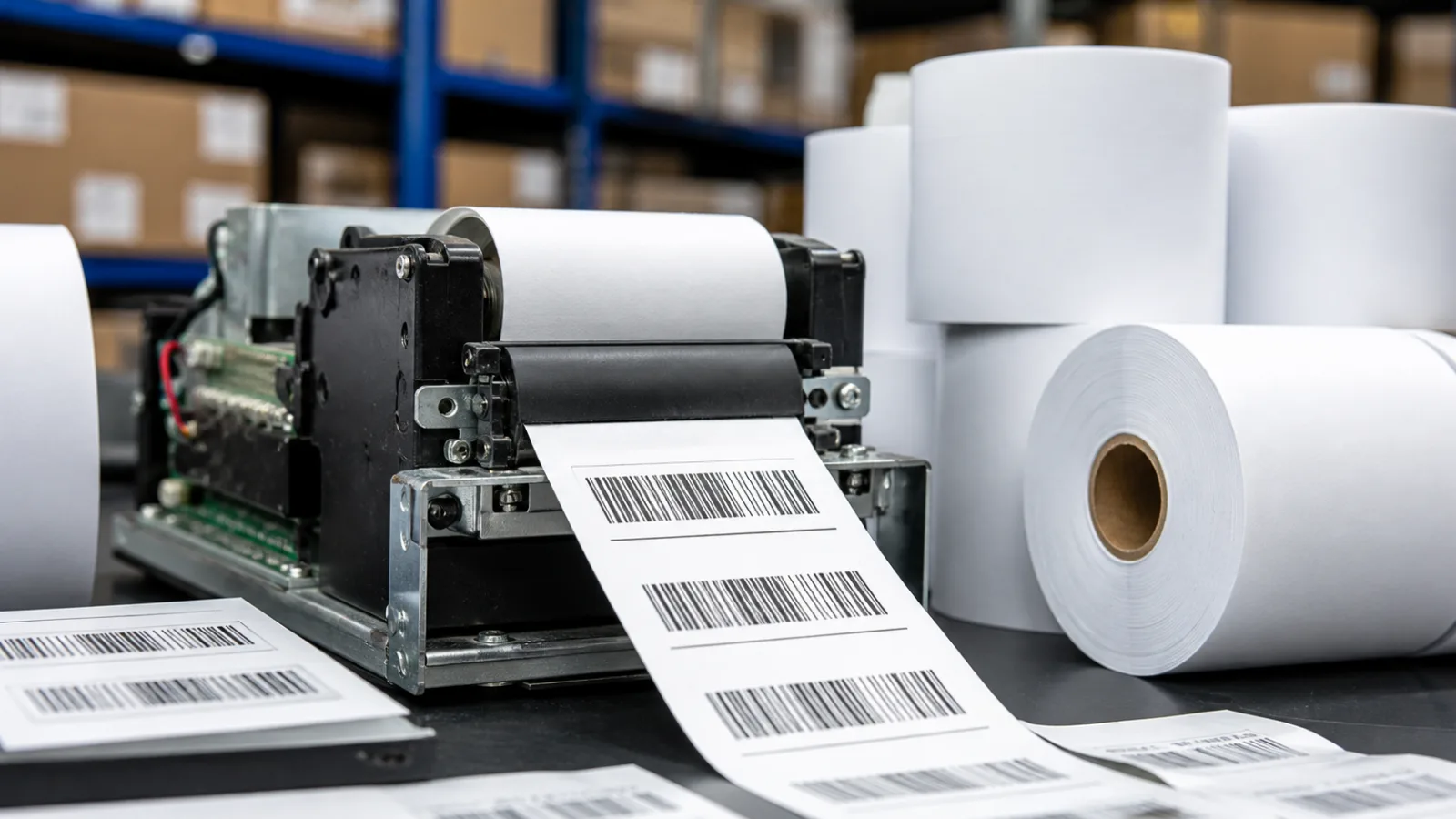
Understand direct thermal paper layers, durability risks, barcode quality, storage and the difference between direct thermal and thermal transfer.
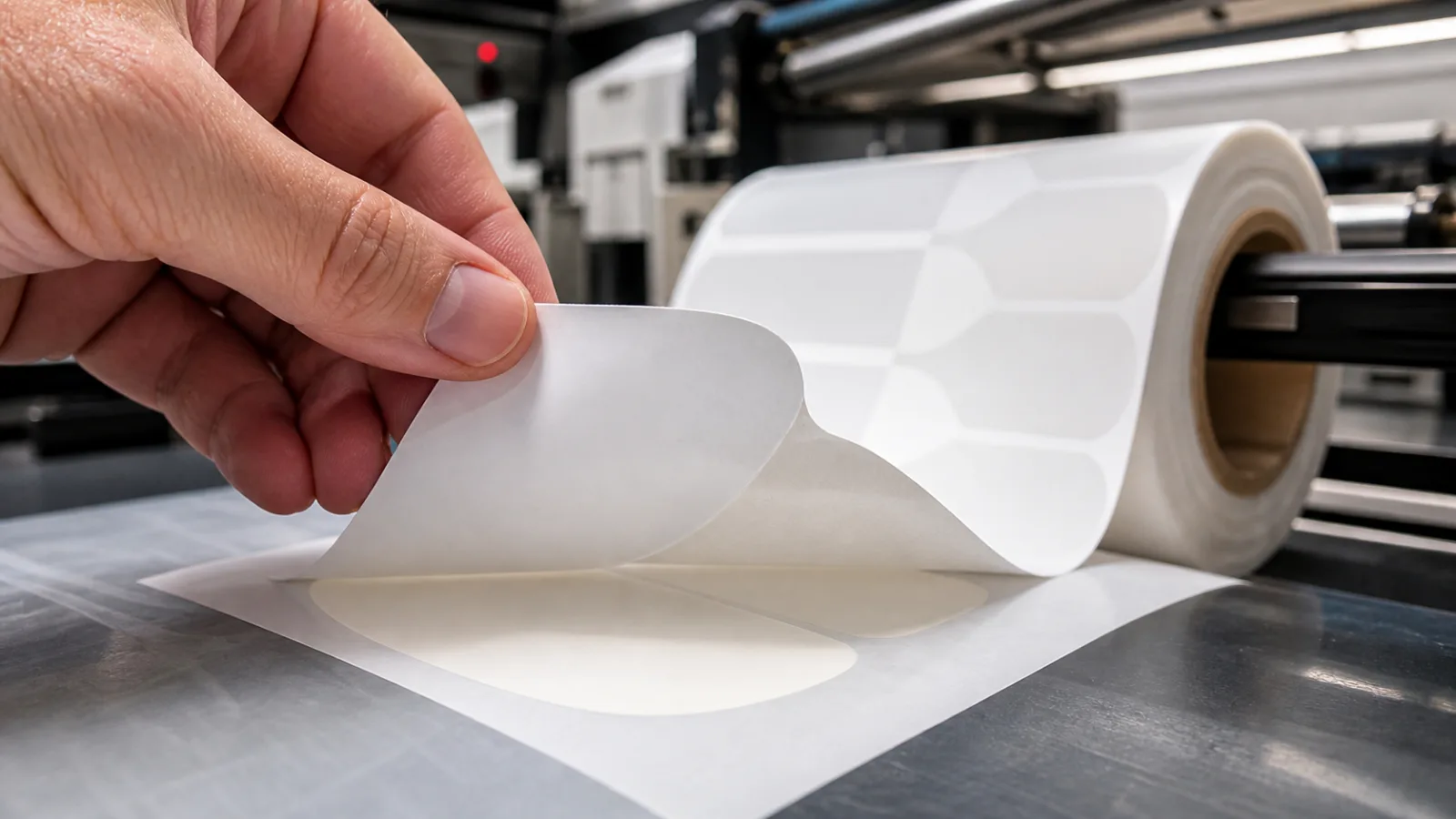
Understand release liner papers, silicone coatings, die-cutting performance, dispensing requirements and recovery options for pressure-sensitive products.
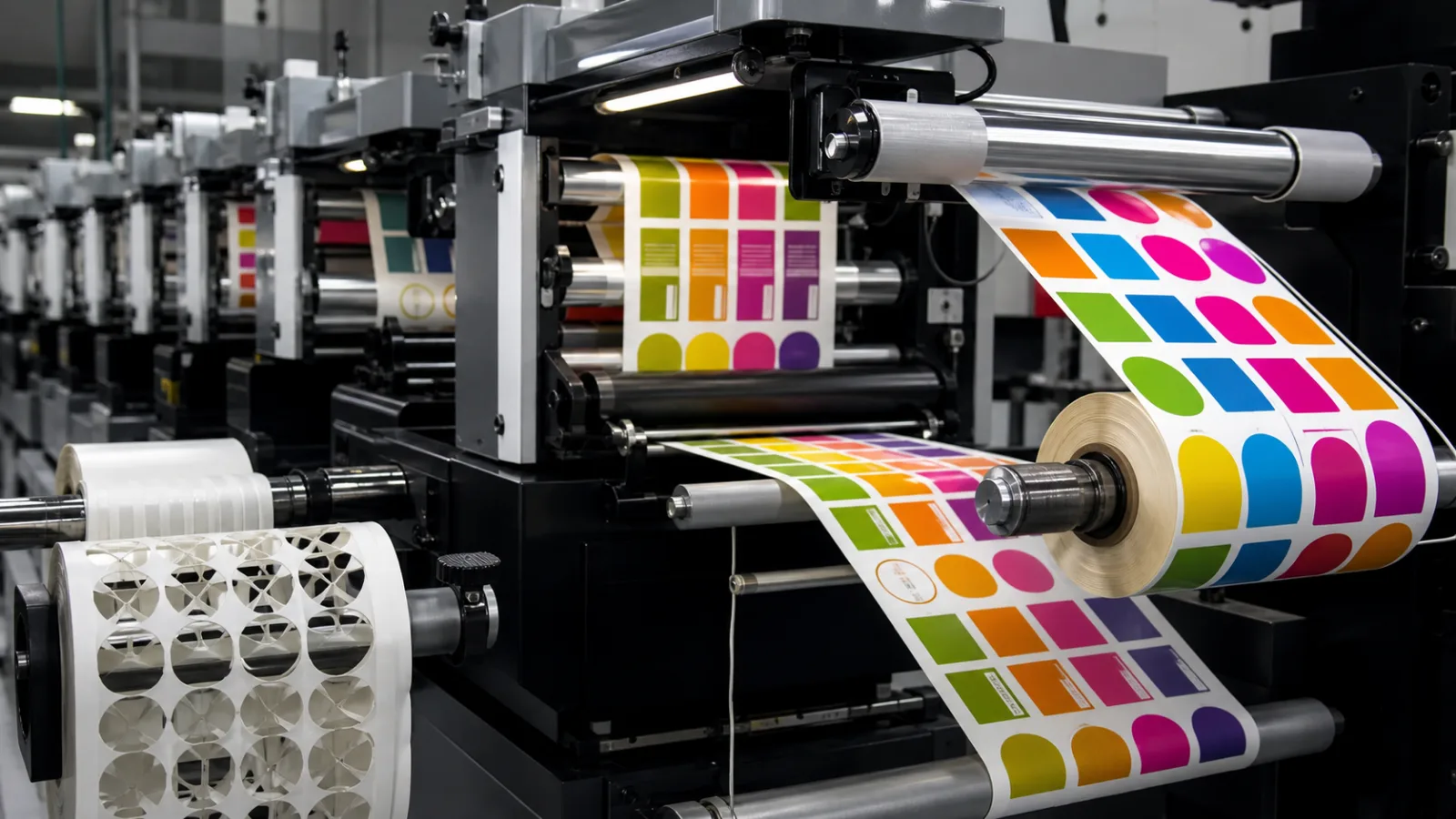
Follow pressure-sensitive labels from facestock and adhesive selection through printing, decoration, die-cutting, matrix removal and application.
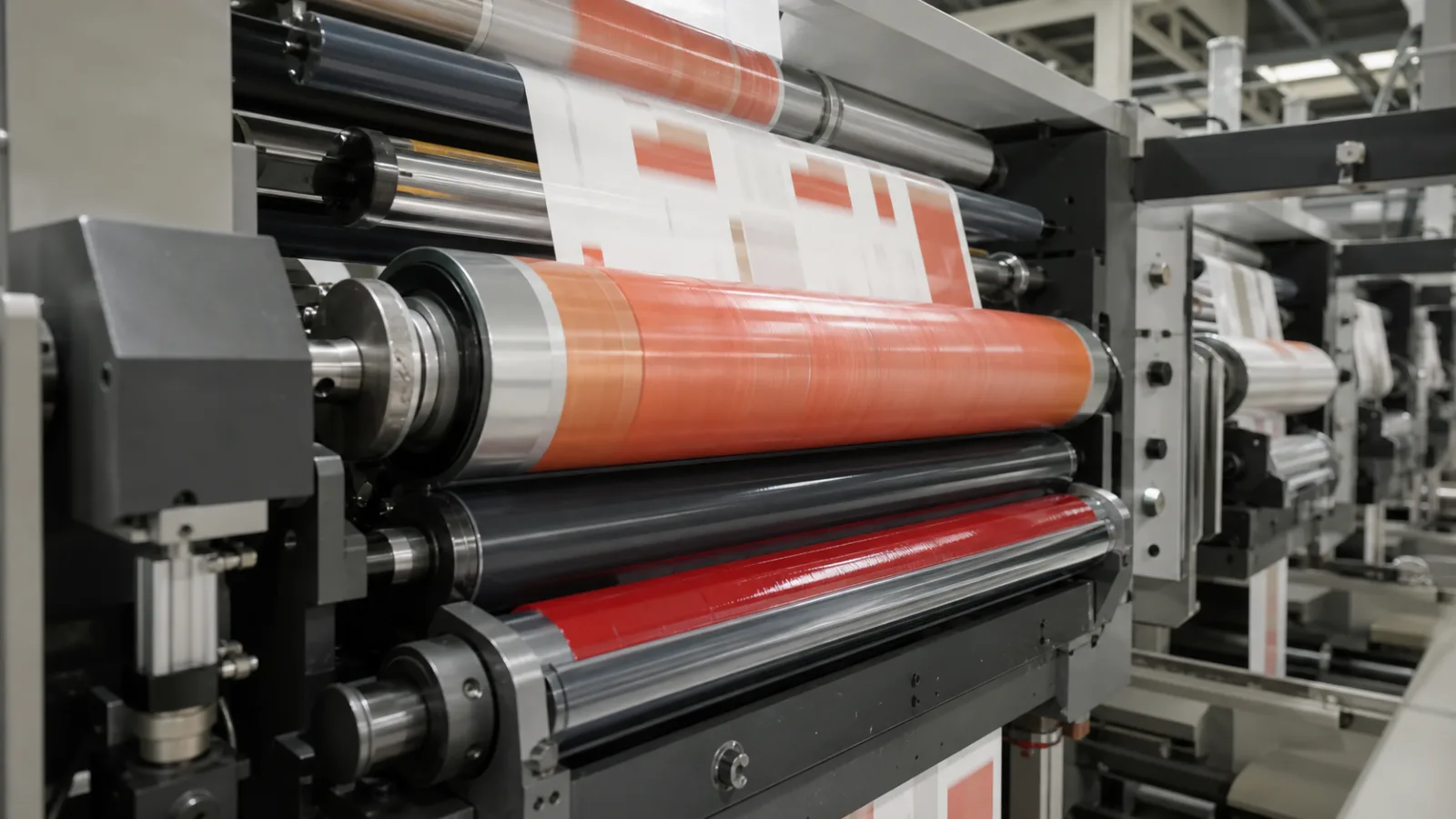
See how flexographic plates, anilox rolls, inks, web tension and drying work together for labels, film, paper and corrugated packaging.
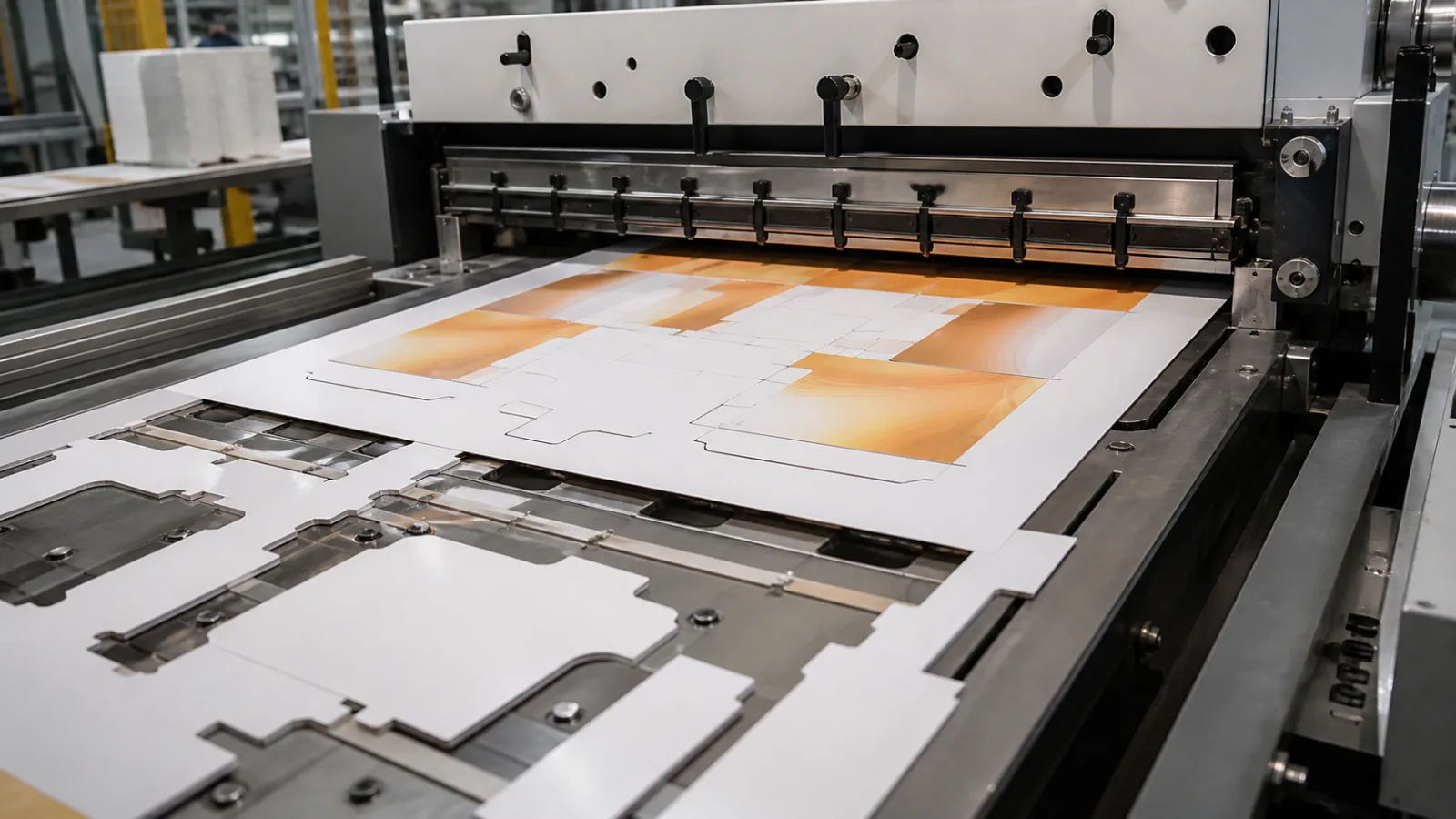
Plan cutting rules, creases, bleed, registration, stripping and tolerances so printed cartons and labels convert and run reliably.
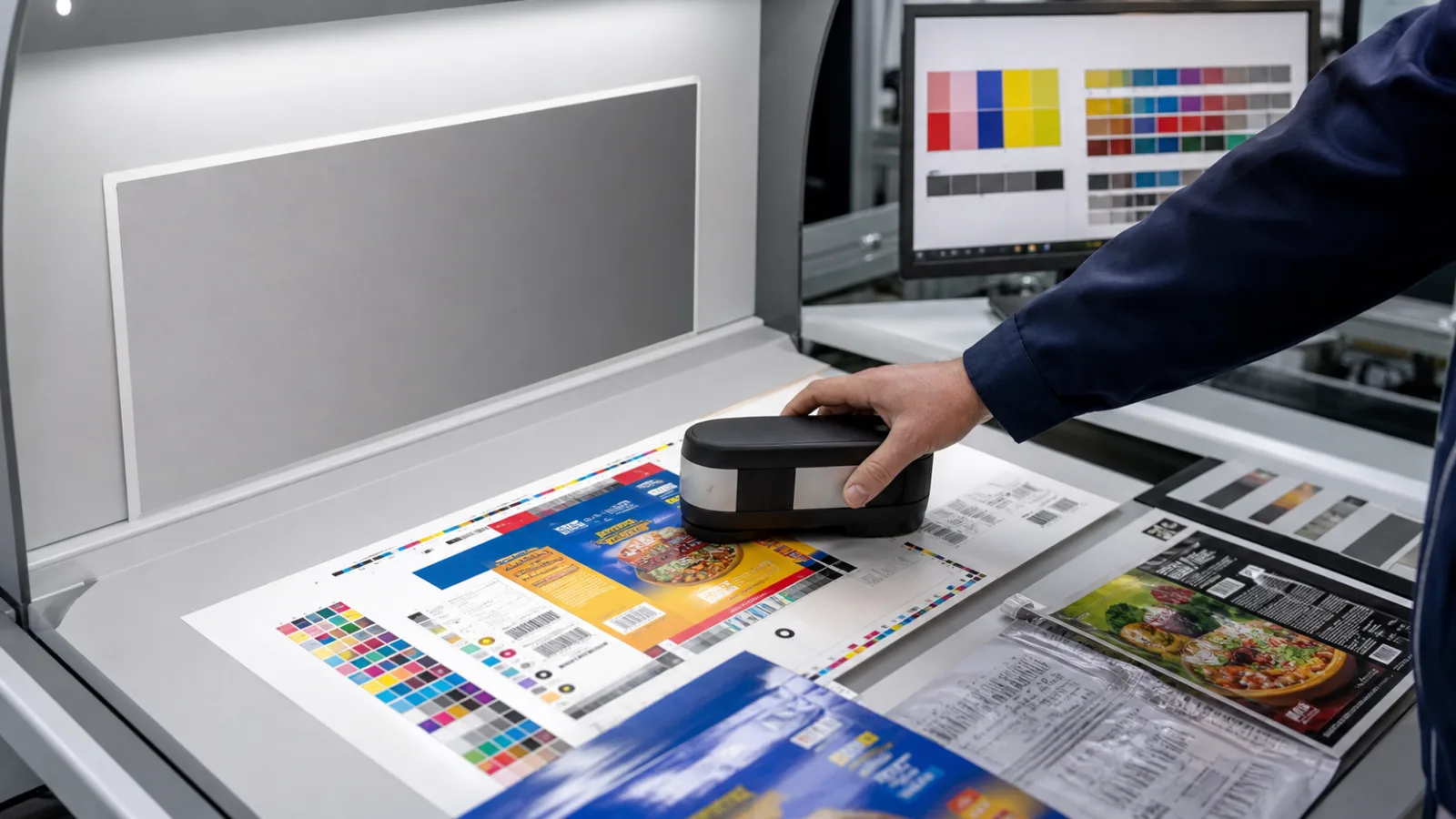
Build a measurable packaging colour workflow across displays, proofs, spot colours, substrates, press profiles, finishes and production approval.